Reflections on Becoming a CNS

This month, I became a Certified Nutrition Specialist. This has been a goal that I worked toward for almost 5 years. I’m so grateful to have reached the point of board certification and have been reflecting on what it took to get here. Thank for you joining me in my reflections.

Step One: Graduate School

Once I realized that becoming a CNS was possible, the first step was going to grad school. As someone who has always loved school and structured learning, this was an exciting prospect. I knew that I needed to have a fully online option since my health was still a wreck and I couldn’t handle any long commutes or moving to a new place at that point. Thankfully, this was also in 2020, so finding online options was fairly easy. I was blessed to be able to join the Masters of Clinical Nutrition program at Southwest College of Naturopathic Medicine and Health Sciences (now Sonoran Health Sciences University). This was a program that was designed to be fully online, so it was the best option for me since it would never become an in person program that I couldn’t complete.

This program was intense. Over the course of 7 quarters, I learned how the digestive system works, how it malfunctions, how to do nutrition assessments, make care plans, macro and micronutrients and what they do, nutritional biochemistry, different therapeutic diets, how different dietary patterns affect health, how to interpret and apply research studies, how genes impact nutrition, and so much more. It was fascinating and rewarding to learn how to take all this information and bring it together to make useful recommendations for clients. It was amazing to learn from experts in the field and have the chance to really understand how the body works and how what we eat impacts our health for good or for bad.

While in the program, I also got to work as a research assistant doing deep dives into the research literature on assigned topics and sharing what I found with the research team. This was the most fun job I ever had, and was sad that it was work study job so I could only do it while I was in school. (This is one reason I do webinars now. They’re so fun to prepare and present).

In any case, I graduated and step one to earning the CNS was done. I had a master’s degree in nutrition.

Steps 2 and 3: Exam and Supervised Practice

The other steps to board certification can go in either order/at the same time. I decided to focus on the board exam first and get the 200 multiple choice question test done so I didn’t have to worry about it. I also am a weirdo who enjoys tests, so it was fun (though a bit stressful) to prepare for the exam. I was really glad to be supervised by Clinician’s Incubator at this point since their test prep is insanely helpful, and I still use some of the resources we used to study for the exam to double check what I’m thinking when putting together care plans. Anyway, I passed the exam and the focus became finishing the 1000 supervised hours.

Supervised hours are the internship part of the program, and the interesting things for CNS candidates, is that it’s not like you get hired somewhere and just do the internship. For most of us, including myself, it requires that you build your own practice, find your own clients, and make it happen. As someone who built a piano teaching studio, I thought it would be fairly easy to do the same with a nutrition practice…it is not easy. It takes a lot of experimentation, putting yourself out there, taking some pro bono clients, being willing to wait until the person that thought you were asking too much money for your services realizes that they really do need the help…and it’s worth paying your intern rates for. This part of the process took way longer than I thought it would and feels long and messy and like it will never end. Until it does. And I finally reached the goal I had set what feels like a lifetime ago.

And now, as I wait for license applications to go through and switch from thinking of how I can get the 1000 hours to what the next steps are I remember why I started this in the first place. I wanted to help people like me. People who want to eat, but struggle to do so because their bodies refuse to tolerate food. People who feel like they have to apologize because they are complicated due to no fault of their own. People who need a slow and steady approach and lots of support along the way. These more sensitive people are the people I get. They are walking a path I have walked myself. And I’m happy to say that it can get better. I’m living proof of that. And I will not pretend that nutrition care is the only thing that you need to become less sensitive, tolerate more foods, and get back to living your life. But I can tell you that it is a key part. And totally worth the effort because nutrition is the foundation for everything that your body does…and getting back to eating is the most delicious way to support your body in healing.

Here’s to Health and Harmony

Julie

Understanding MCAS: Symptoms and Solutions

MCAS or Mast Cell Activation Syndrome occurs when the mast cells (and other immune system cells) are triggered and release a slew of inflammatory chemicals into the body. Mast cells typically are activated during an allergic reaction, but in MCAS, there is no identifiable allergen responsible, but the mast cells are overreacting to various triggers and cause a multitude of symptoms in a variety of body systems.

“There are many MC triggers, including diet, stress, estrogens, excipients, and a variety of infections. The long-lasting, often hidden triggers on which treatment can have a significant impact include small intestinal bacterial overgrowth, mycotoxin and chemical exposures, and heavy metal toxicity” (Weinstock LB, Nelson RM, Blitshteyn S)

Symptoms of MCAS

Symptoms of MCAS are many and varied. They tend to track together as they are all caused by the inflammatory chemicals (histamine, prostaglandins, cytokines, etc.) that are released during a reaction.

Symptoms can include:

Anxiety and depression

Brain fog, decreased focus, problems with memory and concentration

Insomnia

Chronic Severe Fatigue

Pain: in bones, joints, muscles, tendons, headaches, pelvic pain

Numbness, tingling, paralysis, pseudosezures

Disequilibrium, poor balance

Ringing in the ears

Sore throat

Swollen lymph nodes

Sensitivities to light, touch, sound, smells, foods, chemicals, EMFs

Indigestion, diarrhea, constipation, bloating, gas, distention, heartburn

Interstitial cystitis (bladder pain without infection)

Shortness of breath, air hunger

Skin rashes

A major challenge for people with MCAS is that there are such a variety of symptoms that often are not recognized as coming from the same root cause, blood tests come back normal, and the symptoms are triggered in a seemingly random way. This makes diagnosis and treatment very difficult and people are generally believed to have a mental illness rather than a physical cause for their symptoms.

Solutions for MCAS

Priorities:

Stabilize mast cells

Identify and Avoid Triggers

Address underlying issues and root causes

Keep as many anti-inflammatory foods in your diet as possible

Nutrients and Flavanoids

Vitamins: B1, B5, B6, C, D3 and K2

Minerals: Magnesium, Copper

Flavanoids: Quercetin, rutin, luteolin, hesperidin

Antioxidants: glutathione, vitamin c, vitamin e

Anti-inflammatory: curcumin (if tolerated)

Following a low histamine diet can be helpful. See Understanding Histamine Intolerance: Symptoms and Solutions for more information.

Ready to get started with personalized nutrition care? Click here to book your first session. It may even be covered by your insurance!

References

•Foodsforbetterhealth.com

••Patel RH, Mohiuddin SS. Biochemistry, Histamine. In: StatPearls. Treasure Island (FL): StatPearls Publishing; May 1, 2023.

•Surviving Seasonal Allergies Presented by Julie Badowski.

https://mcas.ie/linked-illnesses/

•Dr. Paul Anderson. 5 Best Holistic Treatments for MCAS. https://www.youtube.com/watch?v=_q6_2wDX1i8

•Weinstock LB, Nelson RM, Blitshteyn S. Neuropsychiatric Manifestations of Mast Cell Activation Syndrome and Response to Mast-Cell-Directed Treatment: A Case Series. J Pers Med. 2023;13(11):1562. Published 2023 Oct 31. doi:10.3390/jpm13111562

All information provided on this website is for educational purposes only. Speak with your healthcare provider for help in managing your conditions and before making dietary and lifestyle changes.

Understanding Histamine Intolerance: Symptoms and Solutions

Histamine intolerance is a condition that has become really well known in the functional medicine space in recent years. Historically, the symptom cluster that is now recognized as being the result of the body’s inability to break down histamine, or the body being overloaded by histamine was not understood and not able to be managed at the root cause. Anti histamines could help symptoms, now we know better how to prevent the symptoms in the first place.

Symptoms of Histamine Intolerance

GI: Stomach cramps/aches, nausea/ vomiting, diarrhea, constipation, IBS.

Photo by Sora Shimazaki on Pexels.com

Skin: Flushing of the face and/or chest, rashes, itchiness, eczema, hives, acne, allergy like symptoms, swelling around eyes, face, throat.

Other: Headache/migraine, dizziness, chills/shivers, extreme tiredness, sudden changes in mood, aggression, inattention, lack of concentration, sleep disorders, severe period pain in women, symptoms that are relieved in pregnancy and return after giving birth.

Solutions for Histamine Intolerance

The priorities in managing histamine intolerance are limiting exposure to histamine. This can be done through diet, since foods can stimulate histamine production both in the food and in the gut. Also avoiding allergens can lower the histamine your body produces. By stabilizing mast cells, we can limit the expulsion of histamine from the mast cells that can contribute to histamine overload.

In addition, we want to support they body’s ability to break down and eliminate histamine. This can be done through supporting DAO (the enzyme that breaks down dietary histamine) production by ensuring enough omega 3 fatty acids, healthy saturated fats, phosphorus, calcium, zinc, copper, magnesium, iron, and vitamins B6, B12, and C in the diet or through supplementation. More DAO means more ability to tolerate higher levels of histamine in foods.

While limiting histamine exposure and increasing DAO, we also want to be sure to address any other underlying issues that are contributing to histamine intolerance. This can include adjusting medications (under a doctor’s supervision) because many common medications interfere with DAO. We also want to improve gut health, making sure that the histamine producers in the microbiome are not taking over, support the immune system to not be overreacting and sending out more histamine than it needs to, and balancing hormones, estrogen specifically has a lot of interplay with histamine. Supporting detoxification is also crucial to rid the body of excess histamine.

What Can I Eat That’s Low Histamine?

As always, if you do not tolerate any particular foods on the list, do not include them. But for all intents and purposes, a low histamine diet that includes a wide variety of fresh whole foods, can be very nutritious and delicious. The foods in the low histamine list can be incorporated to your hearts content. We cannot and do not want to eliminate histamine from the diet, simply to keep it at a threshold that your body can manage.

•Gluten-free grains like amaranth, arrowroot, buckwheat, millet, rice, quinoa, and more.

•Fresh meat that has not been aged.

•Salmon: Only fresh or flash-frozen within 30 minutes of catch.

•Non-citrus fruits like apples, blueberries, mangoes, peaches, pomegranates, and more. Avoid grapefruit, lemon, lime, and orange.

•Non-dairy milk like almond, coconut, or hemp.

•Fresh vegetables; avoid tomato, avocado, eggplant, squash, and spinach.

•Olive oil

•Coconut oil

•Almonds

•Potatoes

•Flax

•Chia

•If you tolerate milk: butter, ghee, cream, cream cheese, ricotta, mozzarella, and other soft cheeses that have not been aged or fermented.

Photo by Solare Flares on Pexels.com

Foods to Limit

The high and medium histamine foods require more awareness and care. You may be able to tolerate some at some times, but it’s very much about finding your threshold and staying below it.

High Histamine

•Citrus fruits-oranges, lemons, limes, pineapple, tangerine, grapefruit, kiwi

•Papaya

•Tomatoes

•Eggplant

•Peppers (bell, chili, red pepper flakes)

•Tree nuts (walnuts, hazelnuts, pecans, Brazil nuts, filberts)

•Pumpkin seeds

•Anything fermented (alcohol, vinegar, bacteria, pickled foods)

•Canned fish and meats

•Turmeric

•Ginger

•Chili powder/peppers, paprika

•Mature, process, aged, or hard cheese

•Yogurt

•Canned, cured, dried, marinated, smoked or preserved meat; dry-aged meat, most sausages, skin of poultry

•Shellfish

•Wheat/gluten

•Additives (benzoate, sulfites, nitrities, glutamate, food dyes)

•Black and green tea

Moderate histamine

•Avocado

•Grapes

•Strawberries

•Sesame seeds/tahini

•Raw egg whites

•Ground meats

•Frozen/fresh fish

•Yeast

•Cocoa/chocolate

•Cinnamon

•Leftover poultry and meats (longer than 36 hours)

Freeze leftovers and chose cooking methods that cook faster as the longer something cooks, the more time there is for histamine to build up.

If you are considering a low histamine diet or need support in managing histamine intolerance, Integrated Harmonies is here to help. Ready to get started with personalized nutrition care? Click here to book your first session. It may even be covered by your insurance!

All information provided on this website is for educational purposes only. Changes to your diet and lifestyle should be discussed with your health care provider.

Resources:

•Chung BY, Park SY, Byun YS, et al. Effect of Different Cooking Methods on Histamine Levels in Selected Foods. Ann Dermatol. 2017;29(6):706-714. doi:10.5021/ad.2017.29.6.706

•Comas-Basté O, Sánchez-Pérez S, Veciana-Nogués MT, Latorre-Moratalla M, Vidal-Carou MDC. Histamine Intolerance: The Current State of the Art. Biomolecules. 2020;10(8):1181. Published 2020 Aug 14. doi:10.3390/biom10081181

•Schnedl WJ, Enko D. Histamine Intolerance Originates in the Gut. Nutrients. 2021;13(4):1262. Published 2021 Apr 12. doi:10.3390/nu13041262

•Sánchez-Pérez S, Comas-Basté O, Veciana-Nogués MT, Latorre-Moratalla ML, Vidal-Carou MC. Low-Histamine Diets: Is the Exclusion of Foods Justified by Their Histamine Content?. Nutrients. 2021;13(5):1395. Published 2021 Apr 21. doi:10.3390/nu13051395

•Toxic. Neil Nathan, MD

https://www.histamineintolerance.org.uk/private/symptom-list/

•GI Map Interpretive Guide

•Dr. Hagmeyer. https://www.drhagmeyer.com/histamine-intolerance-how-certain-foods-can-help-boost-dao-levels/

•Foodsforbetterhealth.com

••Patel RH, Mohiuddin SS. Biochemistry, Histamine. In: StatPearls. Treasure Island (FL): StatPearls Publishing; May 1, 2023.

•Surviving Seasonal Allergies Presented by Julie Badowski.

What Can I Eat with Peanut/Tree Nut Allergy?

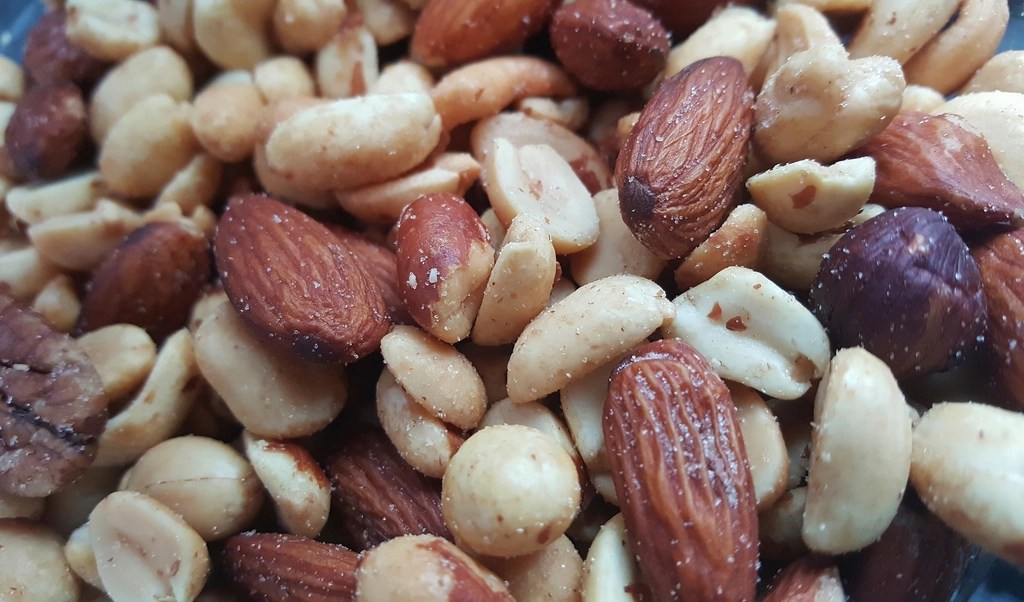
Mixed cocktail nuts

Obviously, peanuts and tree nuts are not the same thing, and you can be allergic to one and tolerate the other, but it is also very common to be allergic to both. In addition, they are combined here because the nutritional concerns that come with needing to avoid peanuts and/or tree nuts are the same as are the remedies.

Peanuts are the most common food cause of anaphylaxis, a multisystem life threatening allergic reaction. Anaphylactic reactions can include hives, severe swelling that can contribute to trouble breathing, the throat closing, rapid pulse and drop in blood pressure, dizziness, etc. Reactions can be triggered by eating, contacting, or inhaling peanut, so it is important to avoid any exposure to peanuts. It is important to note that delaying introducing peanuts (or any allergenic foods) to babies does NOT prevent allergies and can contribute to not gaining tolerance to those foods and more severe allergic reactions in the future.

Peanuts show up in many foods including baked goods, granola bars, sauces and dressings, nougat, chocolate dishes, and many more. Always check food labels for peanuts if you have a peanut allergy.

Tree nuts, like cashews, pistachios, almonds, pecans, brazil nuts, etc. can cause similar reactions and also require vigilance to avoid. They often show up in baked goods, sauces, veggie burgers, etc. Again, always check nutrition labels for tree nuts if you have a tree nut allergy.

What to Eat

Avoiding peanuts and tree nuts can contribute to deficiencies in protein, magnesium, manganese, biotin, copper, niacin, and chromium, all of which are important for the structure and function of your body. To ensure you are getting enough of these nutrients, be sure in include plenty of meat, fish, poultry, legumes (if tolerated), dairy , whole grains, vegetables, oils, soybean (if tolerated), eggs, fruit, and leafy greens.

Do you or your child have a peanut or tree nut allergy and need help with finding foods that are safe and taste good? Check out the What Can I Eat with Nut Allergy? recipe book.

For personalized help eating well with food allergies through one on one telehealth sessions, get started with personalized nutrition care? Click here to book your first session. It may even be covered by your insurance!

To Your Health and Harmony,

-Julie Badowski, MS, Certified Nutrition Specialist (CNS) Candidate.

§https://www.allergychoices.com/blog/replacing-lost-nutrients-due-to-food-allergies/

I am not a doctor. The information contained on this Website are for educational and informational purposes only. The information contained on this Website and the resources available for download through this website is not intended as, and shall not be understood or construed medical or health advice.

What Can I Eat with Soy Allergy?

Much like we have seen with all the other food allergies, soy allergy can cause a range of symptoms, from minor to life-threating. Because true food allergies require avoidance, it is important to read food labels and ensure that any food and beverages you consume are free from soy. This can be more challenging than it originally appears as soy is a common ingredient in many foods. Thankfully, in the US, soy is a top 8 food allergen and therefore is required to be listed on the food label in bold and in the list of allergens that food contains.

How Soy Shows Up in Foods

Obviously, soy, soybean, and soymilk are inappropriate for people with soy allergies. Also look out for:

  • Anything with “soy” or “soya in the name (eg. soy lecithin, soybean oil)
  • Edamame
  • HSP, TSF, TSP, TVP (hydrolyzed of textured soy protein or vegetable protein)
  • tofu, tempeh, miso, natto, tamari, yuba

Also be cautious about natural flavors, thickeners, stabilizers, vegetable oils, etc. Soy may be a component of this products. Some vitamin E is also derived from soy. Exposure to a food allergen can also be through the skin or respiratory system.

Vegan and vegetarian foods, baked goods, and personal care products often contain soy. Especially if your allergy is severe, check everything you use to make sure it is soy free.

Nutrients of Concern in Soy Allergy

While avoiding soy, there are certain nutrients that you must be especially careful to get enough of. These are protein, thiamin (B1), riboflavin (B2), iron, calcium, zinc, vitamin B6, and folic acid.

Because soy is so commonly used a plant based protein source, it is unlikely that a vegan or vegetarian diet will be feasible with soy allergy.

Focus on These Types of Foods

To ensure getting enough of the nutrients that are commonly lacking a soy free diet, be sure to include plenty of meat, legumes, whole grains, eggs, nuts, seeds, peas, milk, and dried fruit.

Ready to get started with personalized nutrition care? Click here to book your first session. It may even be covered by your insurance!

In the meantime, check out the other posts in the food allergy series, including What Can I Eat with Wheat Allergy?, What Can I eat with Egg Allergy? What Can I Eat with Milk Allergy?. For an overview of food allergies in general, check out Food Allergies: When Your Body Overreacts to Food.

I am not a doctor. The information contained on this Website are for educational and informational purposes only. The information contained on this Website and the resources available for download through this website is not intended as, and shall not be understood or construed medical or health advice.

§https://www.allergychoices.com/blog/replacing-lost-nutrients-due-to-food-allergies/

Image by CatsWithGlasses from Pixabay

NaturallyLiz.com. Other Names for Soy and Common Hiding Places. naturallyliz.com/other-names-for-soy-and-common-hiding-places. Accessed September 16, 2024.

What Can I Eat with Fish/Shellfish Allergy?

Two more categories of foods that are common food allergens are fish and shellfish. We are looking at them together because they are both seafood and likely to show up in the same places. So, if you are allergic to fish or shellfish, obviously don’t eat them. Shellfish especially can cause severe allergic and anaphylactic reactions upon exposure, so be sure to avoid it and get help from your doctor if you are exposed to shellfish. Signs of a severe allergic reaction include swelling/tingling/tightness in the face, tongue, and throat, hives, itching, trouble talking or breathing/wheezing/chest tightness, feeling dizzy/lightheaded,

Fish and shellfish can show up in places you wouldn’t expect. And avoiding these foods can make it more challenging to get enough of certain nutrients, so you need to be aware of what those are and other ways to get those essential nutrients.

Where Fish and Shellfish Hide

fish stock, fish oil (the oil itself and supplements), imitation seafood and seafood flavoring, Caesar and other salad dressings, Worcestershire sauce and other sauces, Bouillabaisse, surimi, dishes that may contain sauces (meatloaf for example), and glucosamine and chondroitin supplements. Always check the nutrition labels of any foods or supplements you plan to consume and consult restaurant allergen menus and staff to ensure you do not accidently ingest fish or shellfish.

Nutritional Considerations

Avoiding fish and shellfish makes it more challenging to meet your need for protein, omega-3 fatty acids, potassium, niacin, vitamin B6, vitamin B12, vitamin A, and vitamin E. To ensure you get enough of these essential nutrients, include plenty of meat, poultry, eggs legumes, oils, seeds, nuts, dairy, vegetables, leafy greens, and fortified whole grains in your diet.

Ready to get started with personalized nutrition care? Click here to book your first session. It may even be covered by your insurance!

I am not a doctor. The information contained on this Website are for educational and informational purposes only. The information contained on this Website and the resources available for download through this website is not intended as, and shall not be understood or construed medical or health advice.

https://www.healthgrades.com/right-care/allergies/types-of-allergies-fish-and-shellfish-allergy

https://www.allergychoices.com/blog/replacing-lost-nutrients-due-to-food-allergies/

Image by CatsWithGlasses from Pixabay

What Can I Eat with Wheat Allergy?

What Is Wheat Allergy?

Wheat allergy is an IgE mediated allergic reaction to wheat. Allergic reaction can cause runny nose, congestion, sneezing, wheezing, anaphylaxis, watery/irritated eyes, headaches, GI upset including nausea, vomiting, etc., dizziness, and a variety of other symptoms. This is in reaction to eating wheat or in some cases breathing it in.

Wheat allergy is diagnosed through allergy testing, either skin prick or blood tests.

Wheat allergy is diagnosed through allergy testing, either skin prick or blood tests. Treatment for wheat allergy is mainly avoidance of wheat and wheat containing products. A nutrition professional can help you learn to identify where wheat may be hiding and help you put together a plan to ensure you can avoid eating wheat while also getting all the nutrients you need.

Does Wheat Allergy Mean Gluten Free?

No. Gluten is present in wheat and other grains but does not trigger a classic IgE mediated allergy. People with wheat allergy can potentially eat other foods that contain gluten like barley and rye. But gluten free products would also be wheat free, so if you are having trouble finding wheat free products, going for gluten free is an option.

What Nutrients Do I Need to Watch?

Avoiding wheat products means that there are multiple nutrients that you may not get enough of.

  • B Vitamins
  • Iron
  • Zinc
  • Selenium
  • Chromium

What Foods Can I Eat with Those Nutrients?

In order to get plenty of the above listed nutrients, focus on incorporating the following foods into your diet. If you have multiple food allergies/sensitivities, you may supplements to fill in the gaps, a nutrition professional can help you find good quality supplements that will be most appropriate for your needs. The following foods are wheat free and good sources of B vitamin, iron, zinc, selenium, and chromium.

  • Alternative fortified grains (barley, rice, oat, corn, rye, quinoa, amaranth, farina)
  • Soybean
  • Legumes
  • Eggs
  • Milk
  • Nuts
  • Seeds
  • Apples
  • Bananas
  • Spinach
  • Potatoes

Can Integrated Harmonies Help Me?

Yes! Integrated Harmonies can help! Get started with personalized nutrition care. Click here to book your first session. It may even be covered by your insurance!

I am not a doctor. The information contained on this Website are for educational and informational purposes only. The information contained on this Website and the resources available for download through this website is not intended as, and shall not be understood or construed medical or health advice.

https://www.verywellhealth.com/wheat-allergy-vs-gluten-allergy-562637

§https://www.allergychoices.com/blog/replacing-lost-nutrients-due-to-food-allergies/

Image by CatsWithGlasses from Pixabay

What Can I Eat with Egg Allergy?

As with any IgE food allergy, avoidance of eggs is the current best strategy for managing egg allergy. Of course, it’s not as simple as foregoing scrambled eggs or an omelet in the morning. Egg is an ingredient in many foods including mayonnaise, custard, and many baked goods. For a person with egg allergies, reading nutrition labels and ensuring that the food does not contain eggs is crucial.

Other names that may show up in an ingredients list include albumin,

egg on gray stainless steel forks

Anything with “ovo” or “ova” or “egg”as part of the word,

Apovitellin

Globulin

Livetin

Lysozyme

Silici albuminate

Simplesse

Vitellin

There are many components of the egg that a person may be allergic to, and it is possible to determine what exactly needs to be avoided through specific blood tests available from at least some allergists offices. This can be helpful as you may not need to avoid all egg derivatives and therefore have a more varied diet.

Priorities in managing egg allergy are to avoid eggs to prevent allergic reactions and to ensure that avoidance of eggs does not lead to nutrient deficiencies.

Nutrients in Eggs

One of the major concerns in avoiding eggs in the potential for inadequate intake of multiple nutrients.

Protein is the major macronutrient of eggs, so avoiding eggs can lead to inadequate protein intake. Protein is essential for physical structure, muscle mass, neurotransmitter and hormone synthesis, and many other functions throughout the body.

Other nutrients to watch in egg allergy are iron, biotin, folate, riboflavin, selenium, and vitamins A, D, E, and B12.

Other foods to include

To lower the risk of nutrient deficiencies in egg allergy, be sure to include plenty of other protein rich foods like meat, poultry, fish, dairy, lentils, and legumes. Continue include a variety of fruits and vegetables, leafy greens, and whole grains to eat enough of the other nutrients that are high in eggs.

If you or your child are allergic to eggs or have negative reactions to foods including eggs, Integrated Harmonies is here to help. Get started with personalized nutrition care? Click here to book your first session. It may even be covered by your insurance!

References

Replacing Lost Nutrients Due to Food Allergies

https://www.verywellhealth.com/uncover-hidden-egg-ingredients-1324275

What Can I Eat with Milk Allergy?

Milk Allergy versus Lactose Intolerance

One of the top 8 food allergens is cow’s milk. This allergy is common in babies/toddlers and some children outgrow the allergy by school age, but others remain allergic to milk throughout life. Milk allergy is often confused with lactose intolerance, because both condition require limiting or avoiding consuming dairy products, but the similarities stop there. Lactose intolerance occurs when the small intestine does not produce enough lactase to break down lactose, the sugar in milk. this causes digestive symptoms, mainly cramps and diarrhea as the intestines are speeding up transit to get the undigested lactose out of the body. Most people with lactose intolerance can eat small amounts of milk products without a problem. Taking lactase enzymes as a supplement when eating dairy can also help with lactose intolerance.

Milk allergy is an allergic reaction to the protein in milk. Milk has a few different types of protein, but casein and whey are the main ones. Milk allergy symptoms are more severe and will happen no matter how much of a milk product is consumed. Symptoms can include hives, respiratory (breathing) symptoms, digestive issues including cramps and diarrhea, and even anaphylaxis, which is a life threating emergency. Due to the potential severity of symptoms, complete avoidance of milk and milk products is a regular recommendation for people with milk allergy.

What Foods to Avoid

Avoiding milk products means more than just not drinking milk. This includes all cheese, yogurt, cream, and ice cream. Many packaged foods also contain milk. Baked goods, salad dressings, sauces, etc. contain milk and you have to be careful to read the nutrition labels to ensure that a product does not contain milk before consuming it if you have a milk allergy.

Nutritional Concerns

The avoidance of dairy products also means that you are not getting the nutrients from them. The main nutrients we are concerned about with milk allergy are protein, calcium, riboflavin, phosphorus, Vitamins A, D, and B12, magnesium, zinc, and potassium.

Foods that are dairy free that can help you meet your nutritional requirements include meat, fish, poultry, whole grains, nuts, mushrooms, bright yellow and orange vegetables. Foods that are fortified with B vitamins, Calcium, Vitamin D may also help, but you still need to ensure they do not include milk.

Have you or child just been diagnosed with milk allergy? Feeling overwhelmed trying to figure out what to eat? Integrated Harmonies can help! Get started with personalized nutrition care by clicking here to book your first session. It may even be covered by your insurance!

I am not a doctor. The information contained on this Website are for educational and informational purposes only. The information contained on this Website and the resources available for download through this website is not intended as, and shall not be understood or construed medical or health advice.

Resources

§https://www.allergychoices.com/blog/replacing-lost-nutrients-due-to-food-allergies/

Food Allergies

The second step on the atopic march, and the one for which we will spend the most time is food allergies. A food allergy occurs when the immune system produces IgE in response to a protein in a food. This causes an allergic reaction that includes symptoms like digestive issues, hives, swelling, and anaphylaxis. Food allergies can be life threating if they progress to anaphylactic shock. Food allergies are not the same as food sensitivities or intolerances. Food allergies will cause symptoms whenever the food is eaten and can cause symptoms through other exposure (skin, etc.).

How Food Allergies Affect Your Life

The only way to manage food allergies at this point is to avoid the food you are allergic to. There are some strategies that allergists can prescribe to help lessen the severity of reactions, and in children, they may be able to build tolerance and get those foods into their diet again, but that is not a guarantee. If you are needing to avoid foods, especially the top 8 food allergens, you also are avoiding the main source of major nutrients in your diet and it is important to work with a professional to ensure you are not becoming nutrient deficient. Other ways food allergies affect your life:

-stress of not being able to just eat anything

-having to read food labels to make sure ingredients haven’t changed

-finding allergen menus and speaking to restaurant managers to make sure you don’t accidently eat a food you are allergic to

-can be isolating as many social events revolve around food, and it’s awkward to go if you can’t eat the food

-some people treat food allergies like a joke

-having to find food swaps to get a similar nutritional and flavor profile

-adjusting to foods that taste different or have a different texture

Integrated Harmonies Can Help

At Integrated Harmonies, we are committed to helping you navigate the overwhelm of food allergies and are here to support you however you need. Trying to figure out food labels? Need food swaps to get the same nutrients? Need recipe ideas that are safe for you? We’ve got you covered! Click here to book your first session. It may even be covered by your insurance!

I am not a doctor. The information contained on this website are for educational and informational purposes only. The information contained on this Website and the resources available for download through this website is not intended as, and shall not be understood or construed medical or health advice.