Histamine intolerance is a condition that has become really well known in the functional medicine space in recent years. Historically, the symptom cluster that is now recognized as being the result of the body’s inability to break down histamine, or the body being overloaded by histamine was not understood and not able to be managed at the root cause. Anti histamines could help symptoms, now we know better how to prevent the symptoms in the first place.
Symptoms of Histamine Intolerance
GI: Stomach cramps/aches, nausea/ vomiting, diarrhea, constipation, IBS.

Skin: Flushing of the face and/or chest, rashes, itchiness, eczema, hives, acne, allergy like symptoms, swelling around eyes, face, throat.
Other: Headache/migraine, dizziness, chills/shivers, extreme tiredness, sudden changes in mood, aggression, inattention, lack of concentration, sleep disorders, severe period pain in women, symptoms that are relieved in pregnancy and return after giving birth.
Solutions for Histamine Intolerance
The priorities in managing histamine intolerance are limiting exposure to histamine. This can be done through diet, since foods can stimulate histamine production both in the food and in the gut. Also avoiding allergens can lower the histamine your body produces. By stabilizing mast cells, we can limit the expulsion of histamine from the mast cells that can contribute to histamine overload.
In addition, we want to support they body’s ability to break down and eliminate histamine. This can be done through supporting DAO (the enzyme that breaks down dietary histamine) production by ensuring enough omega 3 fatty acids, healthy saturated fats, phosphorus, calcium, zinc, copper, magnesium, iron, and vitamins B6, B12, and C in the diet or through supplementation. More DAO means more ability to tolerate higher levels of histamine in foods.
While limiting histamine exposure and increasing DAO, we also want to be sure to address any other underlying issues that are contributing to histamine intolerance. This can include adjusting medications (under a doctor’s supervision) because many common medications interfere with DAO. We also want to improve gut health, making sure that the histamine producers in the microbiome are not taking over, support the immune system to not be overreacting and sending out more histamine than it needs to, and balancing hormones, estrogen specifically has a lot of interplay with histamine. Supporting detoxification is also crucial to rid the body of excess histamine.
What Can I Eat That’s Low Histamine?
As always, if you do not tolerate any particular foods on the list, do not include them. But for all intents and purposes, a low histamine diet that includes a wide variety of fresh whole foods, can be very nutritious and delicious. The foods in the low histamine list can be incorporated to your hearts content. We cannot and do not want to eliminate histamine from the diet, simply to keep it at a threshold that your body can manage.
•Gluten-free grains like amaranth, arrowroot, buckwheat, millet, rice, quinoa, and more.
•Fresh meat that has not been aged.
•Salmon: Only fresh or flash-frozen within 30 minutes of catch.
•Non-citrus fruits like apples, blueberries, mangoes, peaches, pomegranates, and more. Avoid grapefruit, lemon, lime, and orange.
•Non-dairy milk like almond, coconut, or hemp.
•Fresh vegetables; avoid tomato, avocado, eggplant, squash, and spinach.
•Olive oil
•Coconut oil
•Almonds
•Potatoes
•Flax
•Chia
•If you tolerate milk: butter, ghee, cream, cream cheese, ricotta, mozzarella, and other soft cheeses that have not been aged or fermented.
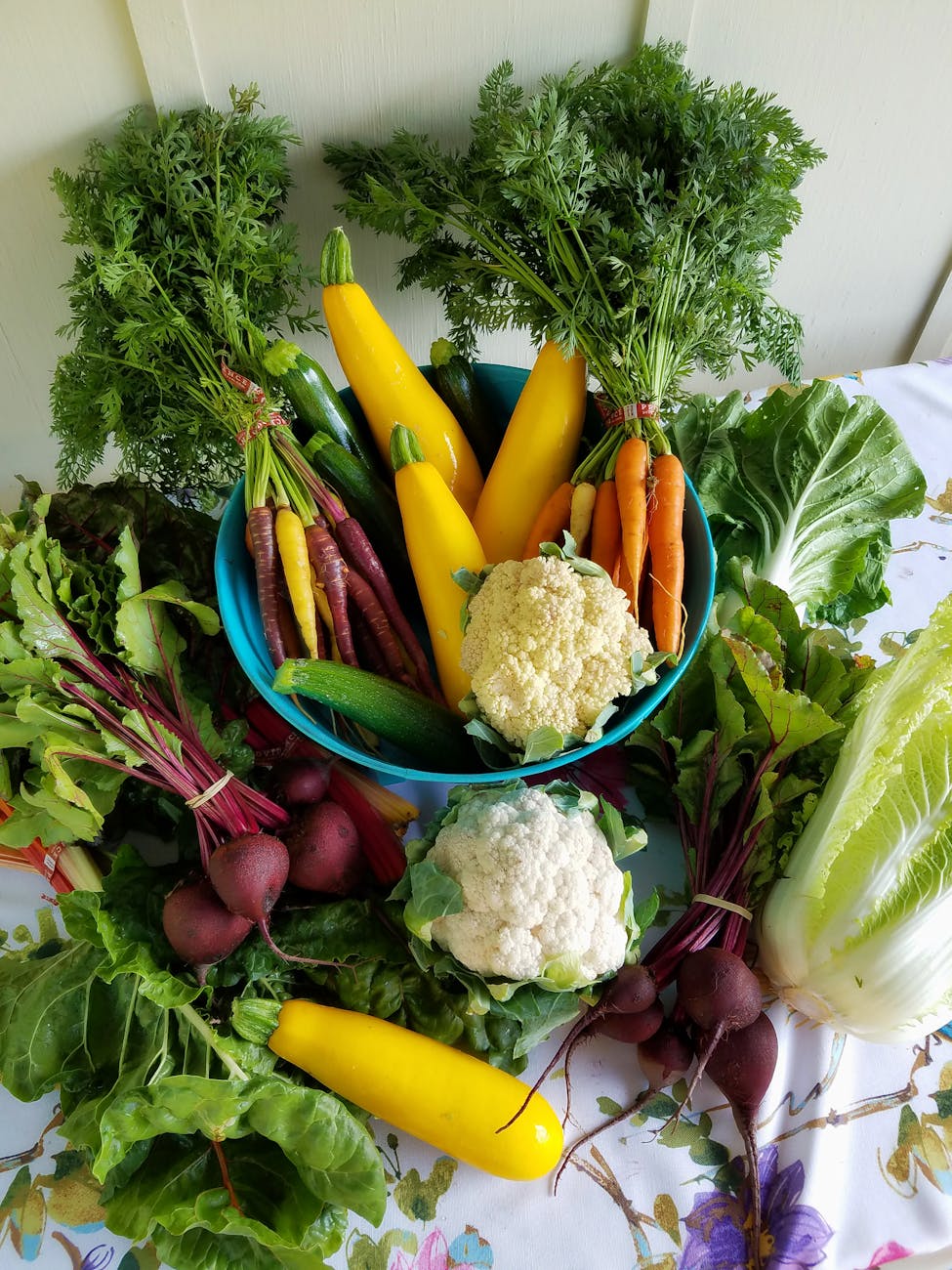
Foods to Limit
The high and medium histamine foods require more awareness and care. You may be able to tolerate some at some times, but it’s very much about finding your threshold and staying below it.
High Histamine
•Citrus fruits-oranges, lemons, limes, pineapple, tangerine, grapefruit, kiwi
•Papaya
•Tomatoes
•Eggplant
•Peppers (bell, chili, red pepper flakes)
•Tree nuts (walnuts, hazelnuts, pecans, Brazil nuts, filberts)
•Pumpkin seeds
•Anything fermented (alcohol, vinegar, bacteria, pickled foods)
•Canned fish and meats
•Turmeric
•Ginger
•Chili powder/peppers, paprika
•Mature, process, aged, or hard cheese
•Yogurt
•Canned, cured, dried, marinated, smoked or preserved meat; dry-aged meat, most sausages, skin of poultry
•Shellfish
•Wheat/gluten
•Additives (benzoate, sulfites, nitrities, glutamate, food dyes)
•Black and green tea
Moderate histamine
•Avocado
•Grapes
•Strawberries
•Sesame seeds/tahini
•Raw egg whites
•Ground meats
•Frozen/fresh fish
•Yeast
•Cocoa/chocolate
•Cinnamon
•Leftover poultry and meats (longer than 36 hours)
Freeze leftovers and chose cooking methods that cook faster as the longer something cooks, the more time there is for histamine to build up.
If you are considering a low histamine diet or need support in managing histamine intolerance, Integrated Harmonies is here to help. Ready to get started with personalized nutrition care? Click here to book your first session. It may even be covered by your insurance!
All information provided on this website is for educational purposes only. Changes to your diet and lifestyle should be discussed with your health care provider.
Resources:
•Chung BY, Park SY, Byun YS, et al. Effect of Different Cooking Methods on Histamine Levels in Selected Foods. Ann Dermatol. 2017;29(6):706-714. doi:10.5021/ad.2017.29.6.706
•Comas-Basté O, Sánchez-Pérez S, Veciana-Nogués MT, Latorre-Moratalla M, Vidal-Carou MDC. Histamine Intolerance: The Current State of the Art. Biomolecules. 2020;10(8):1181. Published 2020 Aug 14. doi:10.3390/biom10081181
•Schnedl WJ, Enko D. Histamine Intolerance Originates in the Gut. Nutrients. 2021;13(4):1262. Published 2021 Apr 12. doi:10.3390/nu13041262
•Sánchez-Pérez S, Comas-Basté O, Veciana-Nogués MT, Latorre-Moratalla ML, Vidal-Carou MC. Low-Histamine Diets: Is the Exclusion of Foods Justified by Their Histamine Content?. Nutrients. 2021;13(5):1395. Published 2021 Apr 21. doi:10.3390/nu13051395
•Toxic. Neil Nathan, MD
•https://www.histamineintolerance.org.uk/private/symptom-list/
•GI Map Interpretive Guide
•Dr. Hagmeyer. https://www.drhagmeyer.com/histamine-intolerance-how-certain-foods-can-help-boost-dao-levels/
•Foodsforbetterhealth.com
••Patel RH, Mohiuddin SS. Biochemistry, Histamine. In: StatPearls. Treasure Island (FL): StatPearls Publishing; May 1, 2023.
•Surviving Seasonal Allergies Presented by Julie Badowski.
 Integrated Harmonies